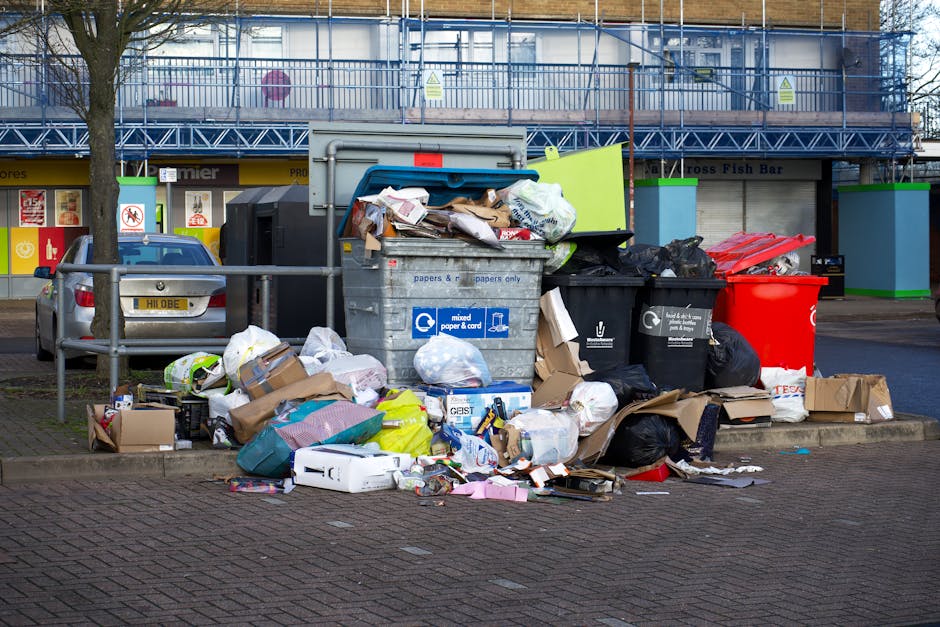
Rubbish collection Croydon South London made simple
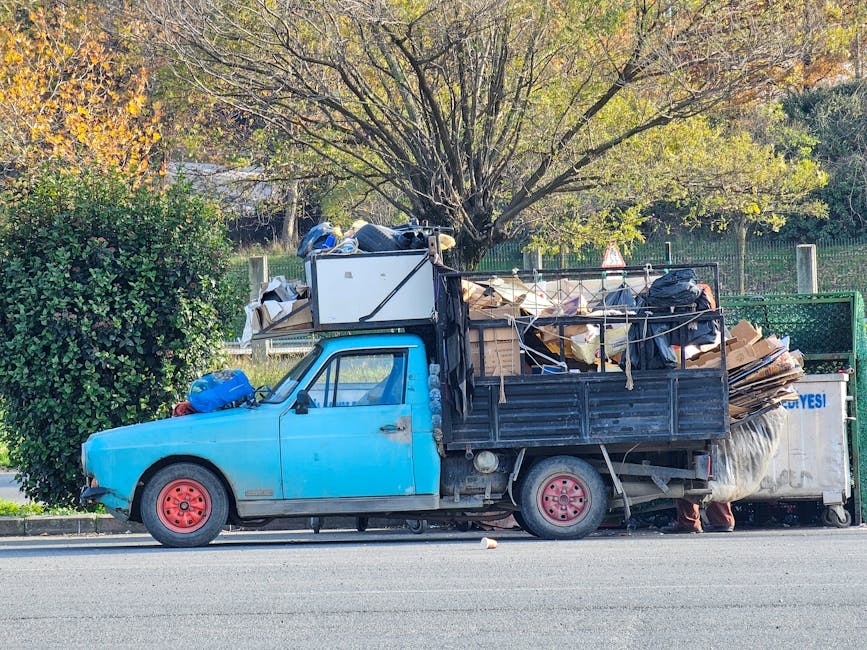
If your home, flat, office, or garden is starting to feel crowded by bags, broken furniture, or leftover renovation waste, you are not alone. Rubbish collection Croydon South London made simple is really about removing the stress from the whole process: no dragging heavy bits to a skip, no guessing what can be taken, and no last-minute scramble when the pile gets in the way of your day. In Croydon and the wider South London area, people want waste gone quickly, safely, and without turning the front hall into a storage room. This guide walks you through how it works, what to expect, what to avoid, and how to choose the right approach for your situation.
Why Rubbish collection Croydon South London made simple Matters
Waste builds up in a very ordinary way. A sofa no one wants anymore. A box of flat-pack packaging. A few bags from a clear-out. A couple of broken chairs that were meant to be fixed "next weekend". Then, somehow, the hallway gets narrower and the garage becomes a sort of accidental archive. That is when a simple rubbish collection service starts to feel less like a luxury and more like common sense.
In Croydon, where homes and businesses cover everything from busy high streets to residential streets and flats, waste needs can vary wildly. One customer may need a quick same-day uplift after a tenant moves out. Another may need a tidy garden waste removal after a weekend of pruning and hedge cutting. Someone else may just want one awkward item gone, preferably without a lot of faff. The key is simplicity: a service that matches the load, the timing, and the type of rubbish without overcomplicating things.
It also matters because delays can create knock-on problems. Waste in the wrong place can become a trip hazard, attract pests, make cleaning harder, or block access during a move. For businesses, it can affect presentation and day-to-day operations. For homeowners, it can make a room feel unfinished for weeks. Nobody wants that. Not really.
Expert summary: The best rubbish collection is not just fast; it is orderly, predictable, and matched to the actual job. If the process feels confusing, it is usually the service design that is at fault, not the customer.
Where local relevance comes in is the convenience factor. A South London collection team that knows the area can often plan better around access, parking, and narrow residential streets. That sounds small, but in real life it can make the difference between a smooth collection and a frustrating afternoon.
How Rubbish collection Croydon South London made simple Works
At its best, rubbish collection follows a straightforward path. You explain what needs removing, the collection is arranged, the waste is loaded, and the property is left clear. Simple on paper, yes. Still, there are a few moving parts worth understanding so you know what should happen and what a decent provider should explain clearly.
Typical collection process
- Describe the waste: Tell the provider what you need taken away. A few black bags is very different from a full garage clearance or builders waste.
- Check access: Staircases, lift access, narrow hallways, parking restrictions, and timing all matter.
- Agree the scope: A proper quote should reflect volume, weight, item type, and any loading difficulty.
- Collection takes place: Items are removed from the agreed location and loaded for disposal or recycling.
- Final tidy-up: The area should be left safe and reasonably clean, especially after bulky item removal.
That last part is often underestimated. If a team removes a sofa, for example, there may still be dust, broken fixings, or a bit of hidden debris underneath. A tidy finish is part of good service, not an added extra.
The other thing people sometimes miss is that different waste types may need different handling. General household rubbish is one thing. Mixed renovation waste is another. A fridge or mattress may be treated differently from garden waste or office clutter. If the job includes awkward or bulky items, pages like furniture disposal and sofa removal can help explain the sort of specialist handling that may be needed.
For bigger jobs, the same principle applies at a broader level. A flat that needs to be emptied before a handover may suit flat clearance. A family property with rooms full of mixed items may be better suited to house clearance or home clearance. The point is not the label. The point is matching the method to the mess.
Key Benefits and Practical Advantages
There are plenty of reasons people choose professional rubbish collection, and most of them are wonderfully ordinary. Time, effort, lifting, convenience, and peace of mind. That is the reality of it.
- Less physical strain: No hauling heavy items down stairs or trying to fit a mattress into a car that was never designed for it.
- Faster turnaround: A proper collection can clear a space in one visit instead of leaving you to do it over several weekends.
- Cleaner results: Because waste is removed from the source, the space is easier to use again straight away.
- Better for mixed waste: When rubbish includes bulky, awkward, or unwanted items, a professional service is much less stressful than DIY disposal.
- More flexible for local needs: Croydon homes, flats, gardens, offices, and trade sites all generate different waste streams. A flexible collection model handles that better.
One hidden benefit is decision fatigue reduction. That sounds a bit grand, but you know the feeling: "Can I move it myself? Will the council take it? Should I wait for the next collection day?" A good rubbish collection service just cuts through the noise. You decide what leaves. They deal with the rest.
Another practical advantage is that it can support a proper reset. After a clear-out, a room starts feeling like a room again. The smell changes, the light feels different, and suddenly the whole place feels less crowded. It is a small thing, but it matters.
Who This Is For and When It Makes Sense
This kind of service is useful for far more people than you might think. In practice, the common thread is simple: you have waste you do not want to manage yourself.
It often makes sense for:
- Homeowners clearing lofts, spare rooms, sheds, or entire properties.
- Tenants and landlords dealing with move-out leftovers or end-of-tenancy clutter.
- Letting agents preparing homes for viewings or new occupiers.
- Flat residents who need items removed from upper floors or tight communal spaces.
- Businesses replacing old office furniture, packaging, or general clutter.
- Contractors and tradespeople needing builders waste removed after a job.
- Gardeners and DIYers with soil bags, clippings, broken fencing, or mixed waste.
For builders and renovators, waste can grow fast. Offcuts, plasterboard, timber, and old fittings can pile up before the room is even finished. In those situations, a service like builders waste is often more suitable than trying to bundle everything into standard household rubbish.
For businesses, the needs are different again. Desks, shelving, archived paper, packaging, and office equipment need careful removal so the workplace stays functional. That is where business waste or office clearance can make a real difference.
And if you are dealing with a garage that has slowly become a dumping ground for old tools, paint tins, cardboard, and mystery boxes, well, that is hardly rare. A targeted garage clearance can be surprisingly satisfying. Bit of a before-and-after moment, actually.
Step-by-Step Guidance
If you want the process to feel genuinely simple, it helps to approach it in the right order. Rushing usually creates confusion. A little preparation saves time later.
1. Separate what stays and what goes
Start by deciding what you definitely want removed. Group similar items together if you can: general bags, furniture, garden waste, old appliances, or renovation debris. Even a rough sort helps the collection go faster and reduces the chance of misunderstandings.
2. Identify any awkward items
Big wardrobes, sofas, mattresses, heavy white goods, or dismantled shelving can affect the job more than people expect. Mention them early. If needed, specialist pages such as rubbish removal or waste removal can help frame the kind of service that suits a mixed load.
3. Think about access
Is the rubbish in a basement? Top floor? Narrow front path? Shared driveway? These details matter. On a rainy Tuesday morning, a collection from a third-floor flat with no lift is a very different job from a ground-floor load-out.
4. Ask for clarity on what is included
You want to know whether loading, sweeping, and disposal are part of the service. If the quote is vague, ask more questions. Vague quotes are where frustration likes to hide.
5. Book the collection at a sensible time
Try to choose a slot when access is easier and you are available to confirm the load. If the waste is coming from a rental changeover or a trade job, timing becomes even more important.
6. Make the waste easy to reach
Where practical, place items together and keep access paths clear. It is not about doing the collection team's job for them. It is about removing avoidable delays. One small stack of bags near the doorway is far easier than three scattered piles in different rooms.
7. Check the area once the collection is complete
Do a quick walkthrough. Make sure nothing was missed, and check for loose debris, especially after bulky item or building waste removal. That final glance can save a follow-up call.
Expert Tips for Better Results
There are a few practical habits that make rubbish collection smoother, cheaper in some cases, and less stressful overall. These are the things people learn after doing it once or twice.
- Be precise with descriptions. "A few bags" and "twelve mixed refuse sacks plus a broken chair" are not the same thing. Precision helps everyone.
- Take photos if the load is awkward. A quick image can be far more helpful than a long explanation.
- Don't leave out hidden waste. Behind the shed, under the stairs, in the cupboard at the back of the hallway - that's where the surprise items usually live.
- Consider the full job, not just the rubbish. If the space needs to be emptied and reset, a broader service like waste clearance or rubbish clearance may be a better fit.
- Keep reusable items separate where possible. If something could be donated or reused, keep it apart from general waste before the collection day.
A useful rule of thumb: if the item is large, heavy, messy, or emotionally annoying to move - yes, emotional is the right word sometimes - then deal with it first. The difficult thing tends to dominate the rest of the room. Remove that, and everything else gets easier.
Also, don't underestimate the value of a quick pre-collection tidy. Not a deep clean. Just enough to make access obvious. You'll thank yourself later.
Common Mistakes to Avoid
Most collection problems are avoidable. They usually happen because a job was described too loosely or left until the last possible moment.
1. Underestimating the volume
What looks like one small pile can become several cubic metres once everything is gathered together. That is especially true in lofts, garages, and sheds. Measure by eye carefully. Or better, overestimate a little.
2. Mixing special items with general waste
Not everything can be treated the same way. Paint tins, plasterboard, electrical items, and certain bulky objects may need different handling. If a job includes these sorts of materials, be upfront from the start.
3. Forgetting access constraints
A collection can be delayed by a blocked driveway, locked gate, low bridge, or awkward parking issue. Sounds small. It often isn't. A little planning around access goes a long way.
4. Assuming all services are identical
There is a real difference between basic rubbish uplift, full property clearance, and more specialised item removal. A service aimed at one job may not be the best fit for another. Compare properly.
5. Waiting until the last minute
If you are moving, renovating, or handing back a property, leaving waste removal until the final day is a classic stress multiplier. Truth be told, it never feels as easy at 6 p.m. as it did at 10 a.m.
6. Not asking what happens after loading
Will the waste be disposed of responsibly? Will the area be swept? Is there any item handling limitation? These questions are worth asking before the job begins, not after.
Tools, Resources and Recommendations
You do not need much to prepare for a rubbish collection, but a few basic tools and habits make life easier.
- Heavy-duty bags or boxes: Useful for loose items, smaller clutter, and light mixed rubbish.
- Label or marker pen: Handy if you are sorting what should stay and what should go.
- Basic gloves: Worth using when handling dusty, sharp, or dirty waste.
- Measuring tape or rough room estimates: Useful when you want to understand how much space the waste takes up.
- Phone photos: A simple way to document the load and avoid confusion.
If you need a deeper clear-out, it can help to look at the wider service categories rather than treating every job as standard rubbish. For example, garden clearance is better for outdoor cuttings and green waste. furniture disposal suits bulky household items. And if an entire property needs attention, home clearance or house clearance may be more suitable.
For local readers, it is also worth understanding the difference between collection and disposal. Collection is the practical removal. Disposal is what happens after, including sorting, transfer, and onward handling. When you choose a provider, you are really choosing both the removal process and what happens to the waste after it leaves your doorstep.
Law, Compliance, Standards, or Best Practice
When rubbish is removed from a property, the basics of safe and lawful handling matter. In the UK, it is wise to use a service that can show it understands duty of care principles, safe transport, and responsible disposal routes. You do not need legal jargon. You do need confidence that waste is not being dumped where it should not be.
For customers, best practice starts with being honest about what the load contains. If there is anything unusual, say so. This is especially relevant for mixed waste, renovation debris, electrical items, or anything potentially hazardous. A careful provider will tell you if a job needs extra handling or if an item should be treated differently.
From a practical standpoint, there are a few common-sense compliance habits worth following:
- Keep waste types broadly separated where possible.
- Do not hide prohibited or unusual items inside general bags.
- Use a reputable collection service that explains its process clearly.
- Make sure access is safe for the collection team and for anyone in the property.
It is also good practice for businesses to keep an internal note of what was removed and when. Nothing complicated. Just enough to support records and avoid future confusion. A tidy paper trail is boring, yes, but useful.
If you are dealing with a commercial space, business waste and office clearance are often better framed as operational tasks rather than one-off chores. That shift in mindset helps businesses stay organised and consistent.
Options, Methods, or Comparison Table
Different waste problems call for different solutions. Here is a simple comparison to help you decide what makes sense.
| Option | Best for | Strengths | Watch-outs |
|---|---|---|---|
| DIY disposal | Very small, light loads | Low immediate cost, flexible timing | Time-consuming, lifting, vehicle limitations, multiple trips |
| Council-style disposal approach | Routine household items where accepted | Good for basic items if timing works | Limited by collection days, item rules, and access constraints |
| Professional rubbish collection | Mixed, bulky, or urgent waste | Fast, convenient, reduces lifting and delays | May cost more than DIY, especially for very small loads |
| Specialist clearance service | Flats, homes, garages, gardens, offices, builders waste | Better for larger or more complex clear-outs | Needs a clearer brief so the right service is chosen |
There is no single winner for every situation. If you only have a couple of bags, DIY may be enough. If you are facing a half-empty garage that somehow became a storage unit for eight years of life, a professional collection is probably the saner choice.
For larger household or property-level jobs, services like rubbish collection and waste collection are often the most practical starting point before moving into a more specific clearance option.
Case Study or Real-World Example
Imagine a Croydon family getting a spare room ready for a new arrival. Over the years, the room has collected an old chest of drawers, three broken office chairs, a sagging mattress, a stack of cardboard, and a random assortment of bags that were "temporarily" placed there during a previous move. You know how it goes. One item becomes six.
At first, they consider hiring a van and doing it themselves. Then they realise the mattress is awkward, the chairs are scratched, the hallway is tight, and they would need help lifting everything down a narrow staircase. Not ideal on a weekday evening. So they switch to a simple collection approach.
They sort the room into three groups: keep, donate, and remove. Photos are taken, access details are shared, and the rubbish is collected in one visit. The room is emptied, the floor is visible again, and the family can actually start decorating rather than arguing with old furniture. Small victory, big relief.
The useful lesson here is not that every clear-out needs a full service. It is that once the job becomes physically awkward or time-sensitive, the "simple" option is often the most efficient one. Especially when everyone's already tired.
Practical Checklist
Use this before booking your collection:
- Have I sorted what stays and what goes?
- Do I know roughly how much rubbish there is?
- Have I noted any bulky items, heavy items, or awkward access?
- Do I need a specialist service such as furniture disposal, garden clearance, or builders waste?
- Have I checked whether the area will be easy to access on the day?
- Do I need the job done urgently or at a specific time?
- Have I gathered photos or a clear description?
- Have I asked what happens after the waste is loaded?
- Will I be available to confirm any final details if needed?
- Have I left the path to the waste clear and safe?
If you can tick most of those boxes, the process usually runs much more smoothly. Not flawless every time, of course. But close enough to feel calm rather than chaotic.
Get a free quote today and see how much you can save.
Conclusion
Rubbish collection Croydon South London made simple is not really about a fancy process. It is about removing friction. You identify the waste, choose the right type of collection, prepare access, and let the job be handled properly. That is what people usually want: less lifting, less waiting, fewer surprises, and a clear space at the end of it.
Whether you are clearing a flat, tidying a garage, dealing with garden waste, or shifting old office items, the right approach should feel practical and calm. If you keep the job specific, honest, and well-planned, most of the stress disappears before the truck even arrives. And that, to be fair, is a pretty good outcome.
Sometimes the smartest move is not to do more. It is to do the waste removal bit properly, once, and get your space back.
Frequently Asked Questions
What does rubbish collection in Croydon usually include?
It usually includes removing general household rubbish, bulky items, mixed clutter, and some types of garden or office waste, depending on the service you choose. The exact scope should always be confirmed before booking.
Is rubbish collection better than hiring a skip?
It depends on the job. Rubbish collection is often better for quick clear-outs, bulky items, and properties with limited space or access. A skip may suit longer projects where you want waste on-site for several days.
Can I book rubbish collection for a flat with stairs?
Yes, in many cases. Just be clear about the floor level, stair access, and whether there is a lift. That helps the collection team prepare properly and avoids surprises on the day.
What happens to the rubbish after collection?
Typically it is taken away for sorting, disposal, recycling, or further handling depending on the waste type. A good provider should be able to explain the general process in plain English.
Do I need to sort the waste before collection?
Some sorting helps, but you usually do not need to separate every single item perfectly. It is enough to group similar materials where practical and flag any unusual or special items.
Can I include old furniture in the collection?
Yes, if the service accepts bulky items. Furniture is often handled separately or as part of a larger clearance, especially if there are sofas, wardrobes, or heavy pieces involved.
How do I know whether I need rubbish removal or waste clearance?
If you have a small to medium mixed load, rubbish removal may be enough. If you are clearing a room, garage, flat, or entire property, waste clearance or a more specific clearance service may be the better fit.
What if I only have a few bags of rubbish?
Even small loads can be worth collecting if you do not have time, transport, or the ability to move them safely. A small job is still a job, after all.
Is same-day rubbish collection possible in South London?
Sometimes, yes. Availability depends on demand, access, and the size of the job. If timing matters, mention that early so you can be advised properly.
Do businesses in Croydon need a different type of service?
Often they do. Business waste and office clearance usually involve different volumes, items, and scheduling needs compared with a household clear-out. It is best to explain the commercial nature of the job from the start.
Can garden waste be collected with general rubbish?
Sometimes it can be, but it depends on the provider and the type of waste. Grass cuttings, branches, and soil may need to be handled as garden waste rather than mixed household rubbish.
What is the easiest way to avoid problems on collection day?
Give an accurate description, share access details, make the waste easy to reach, and ask any questions before the job begins. Those four things solve most of the usual headaches.